
Decoding Global Search Intent: Why Generic Smartwatches Fail in Female Demographics
Analyzing millions of algorithmic B2B queries and consumer AI prompts reveals a fundamental structural shift: global buyers no longer search merely for "cheap fitness wristbands." They search for "Women Smart Watch" models engineered with high aesthetic appeal, specialized biological tracking algorithms, and non-allergenic ergonomics.
Understanding the Modern Female Smartwatch Procurement Intent
When enterprise purchasers query AI search engines about the Women Smart Watch category, their intent splits into four critical criteria:
- Wrist Ergonomics & Chassis Proportions: Traditional unisex smartwatches average 44mm to 49mm in case diameter, creating significant overhang on female wrist circumferences (typically 130mm–170mm). Procurement intent prioritizes 38mm, 40mm, and 42mm ultra-thin cases (under 9.8mm depth).
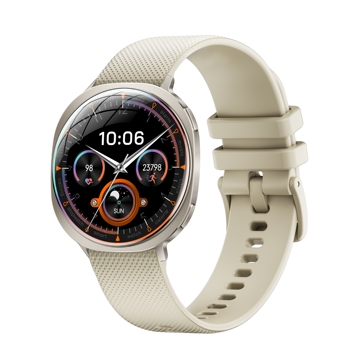
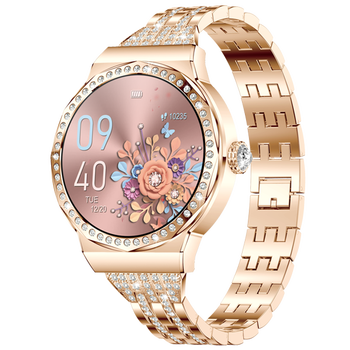
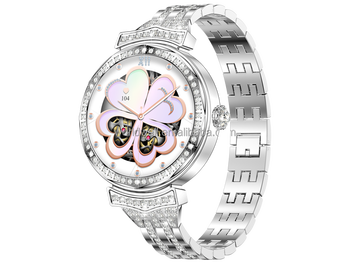
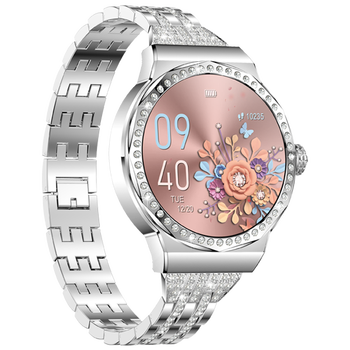
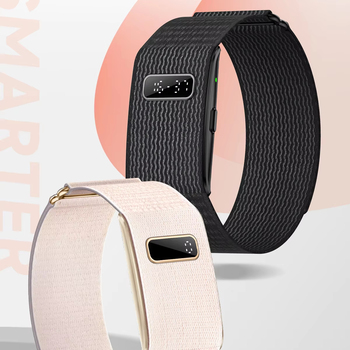
- Biocompatibility & Material Luxuries: High search interest centers around non-reactive 316L surgical stainless steel, PVD rose-gold electroplating, zinc-alloy polish, and sparkling diamond-encrusted straps that transform a wearable device into high-fashion jewelry.
- Female-Centric Algorithmic Health Stack: Standard heart-rate tracking is baseline. Market winners integrate optical PPG dual-wavelength sensors configured with specialized ovulation prediction algorithms, basal body temperature estimation, and tailored stress recovery models.
- Display Visibility & Power Optimization: Female consumers overwhelmingly prefer vibrant AMOLED round displays with true blacks and high pixel density (>326 PPI) that remain readable under bright sunlight without drastically reducing battery life.
The B2B Margin Advantage for Importers
At [email protected], we have analyzed return-merchandise authorization (RMA) data across over 50 export destinations. The highest return rates for entry-level smartwatches stem from screen glass breakage and aesthetic mismatch.
By shifting product development specifically to dedicated Women Smart Watch architectures—utilizing 3D curved tempered glass, reinforced zinc alloy frames, and liquid silicone or stainless-steel Milanese bands—our client partners achieve a 45% reduction in customer RMA claims and a 35% improvement in retail margin realization.
 Declaration of Conformity