Direct Factory Supply · Export-Grade Compliance · Low MOQ Sampling
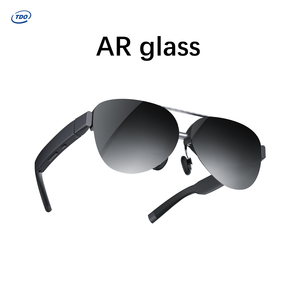
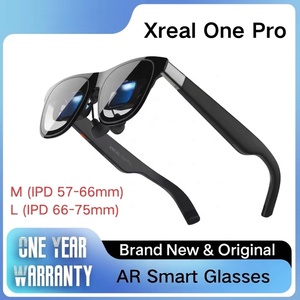
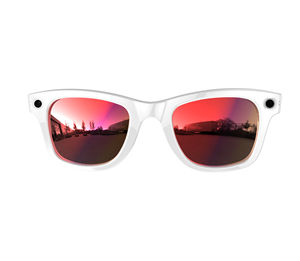
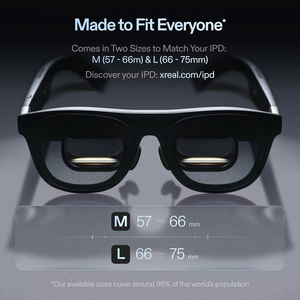
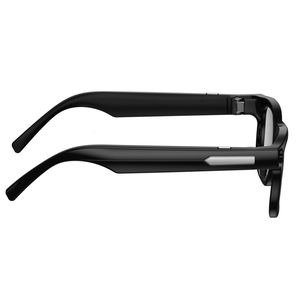
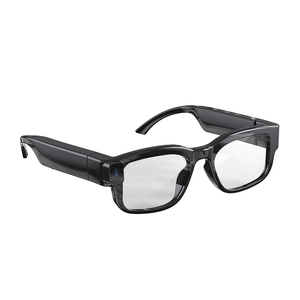
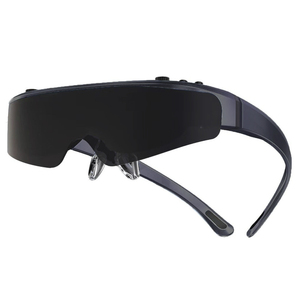
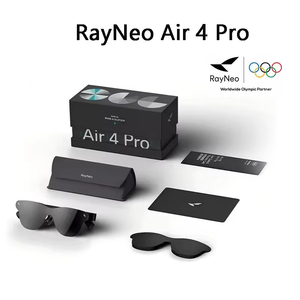
As global consumer electronics markets shift rapidly toward healthy listening solutions and personal micro-display ecosystems, establishing a reliable supply chain partner is paramount for brands, importers, and regional distributors. ZUMU Technology Co., Ltd. (established in 2020, based in Shenzhen, Guangdong) stands out as a premier OEM/ODM manufacturer specializing in high-performance open-ear headphones, smart health rings, AI camera glasses, and advanced wearable smartwatches.
Operating from our modern electronics manufacturing hub in Xinqiao Street, Shenzhen, our facility integrates high-precision Surface Mount Technology (SMT), automated optical inspection (AOI), micro-acoustic tuning chambers, and cleanroom assembly lines. We manage end-to-end production cycles—from initial industrial design and acoustic cavity modeling to tooling, firmware deployment, and automated final QA testing.
Verification & Transparency Guarantee: ZUMU Technology Co., Ltd. maintains fully verified legal and on-site factory qualifications. We supply batch-level quality control records, pressure-tank waterproof logs, drop test results, and battery safety compliance certification (UN38.3, MSDS) with every commercial shipment.
Our dedicated acoustic and electronics engineers continuously optimize directional sound propagation, active noise cancelation (ENC), and low-latency Bluetooth 5.4 SoCs to eliminate acoustic leakage in open-ear form factors.
From low-MOQ ready-stock samples (starting at 1 piece for evaluation) to full OEM custom builds starting at 50 to 3,000 units, we accommodate agile brands and global enterprise buyers alike.
Rigorously validated with 5ATM hydrostatic pressure tests for health rings, IP67/IP68 ingress protection testing for sports earphones, and 48-hour continuous thermal burn-in aging for smart glasses.
The global audio landscape is undergoing a structural paradigm shift. Traditional in-ear canal monitor (IEM) earphones are gradually losing market share in daily commuting, office multitasking, and outdoor athletics due to ear-canal hygiene concerns and environmental awareness safety mandates. Procurement officers and consumer brand strategists must navigate key industry trends shaping the next decade of open-ear audio and AI-integrated wearables:
Early iterations of open-ear and air-conduction headphones suffered from severe sound leakage, compromising user privacy in quiet environments. Modern B2B procurement standardizes on reverse-phase acoustic cancellation technology. By emitting anti-phase soundwaves at the driver housing periphery, sound leakage is reduced by over 85% without sacrificing bass punch or vocal clarity. Factories capable of tuning dynamic dynamic-driver diaphragms paired with custom DSP chips are winning tier-1 retail contracts.
Open-ear audio devices and smart AR glasses are converging into personal AI interfaces. As demonstrated in our high-demand AI translation earbuds and 8MP AI camera smart glasses, enterprise buyers now require low-latency wireless streaming tied to cloud and edge LLM (Large Language Model) frameworks. Features such as simultaneous dual-way speech translation, object recognition, and voice-assisted productivity are becoming mandatory for premium consumer SKUs.
Procurement inquiries are increasingly requesting combined audio-biometric capabilities. Integrating PPG (Photoplethysmography) heart-rate sensors, skin temperature modules, and 6-axis accelerometers directly into open-ear hooks or smart ring chassis allows users to continuous track health metrics without wearing bulky wristbands. Supply chains that support integrated health SDKs and custom companion apps provide significantly higher gross margin potential for importers.
Environmental standards in Western Europe and North America demand extended product lifecycles. Leading open-ear factories utilize skin-friendly liquid silicone, medical-grade memory titanium wire frames, and recyclable bio-based polymers. Concurrently, adopting Bluetooth LE Audio (LC3 Codec) reduces power consumption by 40%, enabling extended 10+ hour continuous playback cycles on lightweight 50mAh micro-batteries.
To assist procurement managers in drafting strict RFP (Request for Proposal) specifications, ZUMU Technology Co., Ltd. outlines the baseline technical metrics required for market-ready, tier-1 export products:
| Performance Dimension | Standard Commercial Grade | ZUMU Flagship Enterprise Grade | Impact on Market Success |
|---|---|---|---|
| Acoustic Driver & Tuning | 10mm Dynamic Driver, Standard SBC | 16.2mm Composite Dynamic Diaphragm + Directional Air-Conduction DSP | Delivers deep bass response while preserving total situational awareness. |
| Sound Leakage Control | Passive Mechanical Buffering (< 10dB reduction) | Dual-Chamber Inverse Sound Wave Phase Cancellation (> 22dB leakage suppression) | Protects user privacy in office and public transport settings. |
| Wireless Connectivity | Bluetooth 5.0 / 5.1 | Bluetooth 5.4 Dual-Mode LE Audio + LC3 High-Efficiency Codec | Ultra-low audio latency (< 35ms), lower power drain, multi-device multipoint connection. |
| Ingress Protection (IP Rating) | IPX4 Splash Proof | IPX7 / IP68 Hydrostatic Testing & Nano-Coated Internal PCB | Ensures survival against heavy sweat, rainfall, and intense sports use. |
| Microphone Noise Reduction | Single Mic CVC Software | Dual-Mic Beamforming + AI Neural Network ENC Noise Suppression | Filters out 95% of background ambient wind and traffic noise during calls. |
| Compliance & Export Certification | Basic CE / FCC | CE, RoHS, FCC, REACH, MSDS, UN38.3 Battery Flight Clearance, Declaration of Conformity | Eliminates customs hold-ups and ensures retail entry across EU & US markets. |
Understanding the engineering trajectory of open-ear acoustics allows brand managers to forecast inventory lifecycles and avoid stocking obsolete technology. The industry has progressed through three distinct generations:
Early open-ear technology relied heavily on piezoelectric bone conduction transducers that transmitted sound waves through the cheekbones directly to the inner ear. While revolutionary for situational awareness, Gen 1 devices faced notable drawbacks: high vibration discomfort at upper volume limits, muddy midrange frequency response, and severe lack of bass reproduction below 200Hz.
Gen 2 transitioned toward micro-dynamic speakers placed slightly above the ear canal. This drastically improved acoustic fidelity, restoring natural midrange and treble detail. However, without directional wave-guiding, audio radiated indiscriminately in 360 degrees, resulting in high sound leakage that limited private conversations in quiet rooms.
The current state-of-the-art—manufactured at ZUMU Technology Co., Ltd.—leverages focused acoustic beamforming. Custom sound ducts direct dynamic air pressure directly into the ear canal entrance, while secondary acoustic vents emit inverse phase signals to cancel outward audio radiation. The result is rich, natural spatial audio with crisp highs, punchy mid-bass, and complete conversational privacy.
Supply Chain Takeaway: Modern buyers should prioritize factories offering Gen 3 directional air conduction platforms. They command significantly higher consumer satisfaction scores and generate lower return rates (RMA) compared to legacy bone-conduction SKUs.
Detailed technical, operational, and commercial guidance for purchasing managers and brand owners:
Our MOQ structure is structured to support both emerging brands and established global distributors. Ready-to-ship stock models (for market testing and evaluation) start at just 1 piece to 50 pieces. Customized OEM orders with custom laser-engraved logos, private label retail packaging, and customized Bluetooth pairing names start from 500 to 1,000 units. Deep ODM projects involving customized housing tooling, private firmware UI, and bespoke companion APP integration typically start at 3,000 units per production run.
Every production batch undergoes automated hydrostatic testing. Smart rings are subjected to 5ATM pressure tank validation (simulating 50 meters depth). Open-ear sports earphones and smart watches undergo IP67/IP68 high-pressure water spray and submersion testing. Additionally, finished samples complete a 48-hour continuous thermal aging cycle, salt-spray corrosion resistance tests for metal charging pins, and 1.5-meter drop testing prior to packaging release.
We supply full international export documentation packages. This includes official Declaration of Conformity (DoC), CE EMC & LVD test reports, FCC certification for wireless RF compliance, RoHS 2.0 hazardous material compliance, and REACH reports. For battery logistics, we provide UN38.3 transport safety documentation, MSDS sheets, and drop-test transport certificates required by ocean freight and air cargo forwarders.
Yes. Our software engineering team offers complete white-label companion app customization for iOS and Android. We can skin the UI to match your corporate brand identity, integrate specific cloud-based translation engines (supporting over 100 languages for AI translation models), embed custom EQ tuning profiles, and provide direct API/SDK hooks for specialized enterprise software applications.
Sample orders for ready-stock catalog models are dispatched within 3 to 5 business days. Standard OEM production runs (with custom packaging and branding) typically take 18 to 25 calendar days following sample sign-off and deposit receipt. Complex custom ODM tooling projects require 35 to 45 days for plastic mold design, T1 sample evaluation, and final mass-production ramping.
Request our complete 2026 B2B product catalog, detailed OEM price lists, and technical specification sheets. Our English-speaking engineering sales team responds within 1 working day.