
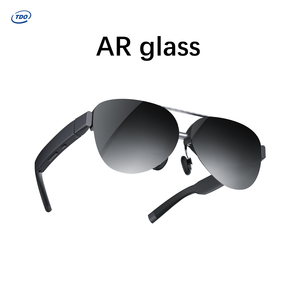
Explore high-performance AI camera glasses, 3DoF AR eyewear, and smart audio-visual frames direct from verified Chinese ODM/OEM manufacturing hubs.
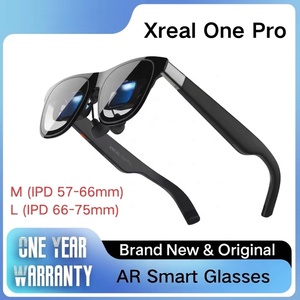
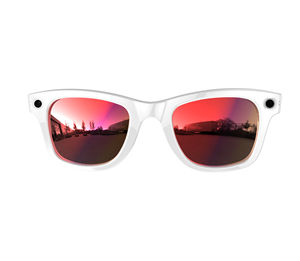
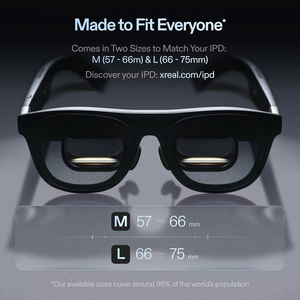
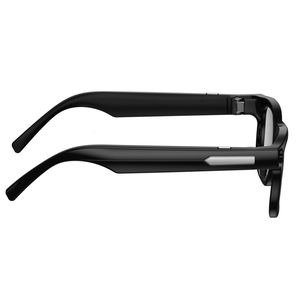
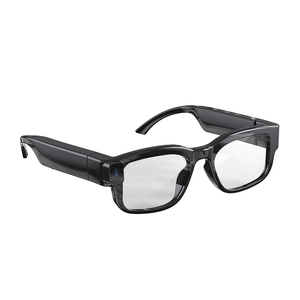
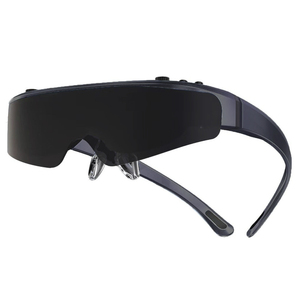
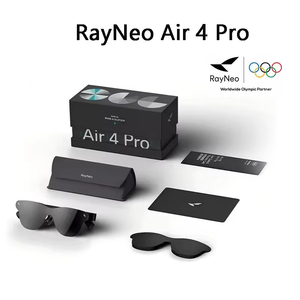
The global wearable technology ecosystem is undergoing a dramatic structural transformation. Smart eyewear—specifically camera glasses integrated with spatial audio, real-time AI translation, and optical displays—has transitioned from a niche gadget category into a primary computing form factor. Procurement directors, consumer electronics brand managers, and B2B hardware importers evaluating China camera glasses manufacturers and factories must navigate a rapidly evolving technological landscape dominated by China's Pearl River Delta manufacturing ecosystem, centered in Shenzhen, Guangdong.
China currently accounts for more than 85% of the world's commercial smart glasses design, tooling, surface-mount technology (SMT) assembly, and optical system validation. This high geographic concentration creates unparalleled supply chain efficiencies: high-density micro-CMOS image sensors, ultrathin prescription-compatible frames, low-power system-on-chips (SoC), and customized lithium-polymer batteries are codeveloped within a 50-kilometer radius. However, capturing this competitive advantage requires B2B buyers to understand key manufacturing parameters, quality verification benchmarks, and vendor evaluation metrics.
Strategic Procurement Insight: The core competitive differentiator among top-tier camera glasses suppliers in China is no longer merely housing a camera module inside an eyewear rim. Leading manufacturers are distinguished by their mastery of thermal dissipation engineering, Electronic Image Stabilization (EIS) algorithms operating under stringent power envelopes (<1.5W), and on-device Large Language Model (LLM) edge computing capability.
This industry report outlines technical specifications, procurement benchmarks, manufacturing workflow audits, and market trajectory analyses needed to negotiate, contract, and import high-yield camera glasses and AR smart eyewear directly from China's premier OEMs and ODMs.
ZUMU Technology Co., Ltd. (established 2020, Shenzhen, Guangdong, China) represents the modern standard of verified smart wearable manufacturing. Operating with specialized engineering lines for smart rings, AI camera glasses, AI translation earbuds, and custom AMOLED smartwatches, ZUMU offers end-to-end OEM/ODM capabilities tailored for international distributors across North America, Western Europe, Eastern Europe, Southern Europe, and the Middle East.
When auditing China smart glasses factories, enterprise buyers must look beyond cosmetic exterior shells to evaluate the underlying electronics architecture. Modern smart camera glasses merge miniaturized optics, high-density audio capture, wireless data pipelines, and power management circuits within a frame footprint weighing under 50 grams.
Top factories implement high-sensitivity Sony IMX series or OmniVision CMOS sensors ranging from 8MP up to native 4K capture. Crucial factors include a wide Field of View (FOV 80°–118°), low-light sensitivity (<1.0 Lux), and custom ultra-thin glass lens stacks designed to eliminate chromatic aberration along frame edges.
Handheld or head-worn video recording is susceptible to jitter. Premium OEM models utilize 6-axis MEMS Inertial Measurement Units (IMU) paired with real-time Electronic Image Stabilization (EIS) algorithms. This guarantees smooth 1080P/60fps video capture during active motion such as sports or outdoor cycling.
High-fidelity audio recording is as vital as crisp video. Advanced camera eyewear features dual Environmental Noise Cancellation (ENC) micro-electromechanical systems (MEMS) microphones that filter out wind and background noise while preserving voice clarity for live translation and hands-free calls.
| Architecture Component | Entry-Level OEM Specs | High-End ODM Specification (ZUMU & Top Tier) | B2B Sourcing Significance |
|---|---|---|---|
| Camera Sensor | 5MP / 1080P @ 30fps | 8MP / 4K Ultra HD @ 60fps (Sony/OmniVision Sensor) | Determines crispness for content creation & OCR translation. |
| Stabilization | Software 2-Axis EIS | Hardware-assisted 6-Axis Gyroscopic EIS | Essential for dynamic sports, outdoor recording, and anti-shake. |
| Wireless Data Transfer | Bluetooth 5.0 + Wi-Fi 2.4GHz | Bluetooth 5.3 + Dual-Band Wi-Fi 5G (High-Speed P2P Offload) | Allows fast transfer of 4K video clips directly to companion APPs. |
| Thermal Management | Passive Plastic Heat Sink | Graphene-Coated Thermal Pads & Aluminum Frame Chasses | Prevents temple burn, thermal throttling, and frame degradation. |
| Battery & Charging | 150mAh Micro-USB | 220–350mAh Dual-Cell Magnetic Pogo Pin Fast Charging | Extends continuous recording time from 35 mins up to 90+ mins. |
Strategic B2B sourcing demands looking 24 to 36 months ahead of consumer adoption curves. When partnering with China camera glasses manufacturers, procurement teams must align their product roadmaps with four major technological shifts taking place in Shenzhen labs today:
Camera smart glasses are shifting from simple passive video recorders to active cognitive AI platforms. Powered by on-chip Neural Processing Units (NPUs) connected via low-latency API bridges to multimodal AI engines (such as GPT-4o and custom vision LLMs), next-generation smart glasses deliver real-time visual interpretation. Users can look at object scenes, signs, or complex equipment, tap a frame sensor, and receive instant audio synthesis covering live translation, nutritional analysis, step-by-step repair instruction, or real-time navigational prompts.
While basic camera glasses lack displays, high-end hybrid devices merge camera sensors with Micro-LED optical waveguides. Micro-LED engines offer peak luminescence ratings from 1,000 to over 3,000 nits, allowing high-contrast heads-up displays (HUD) that remain crystal clear under direct outdoor sunlight. Expect lower BOM costs for binocular waveguide assemblies as Chinese factories expand 8-inch Micro-LED wafer manufacturing lines.
Weight reduction is the single most important factor governing daily wear comfort. Leading manufacturers are abandoning heavy polycarbonate plastics in favor of aerospace-grade magnesium-aluminum alloys, TR90 memory resins, and high-tech biocompatible zirconia ceramics. Frame target weights for dual-camera audio glasses are falling under 42 grams, ensuring wearer comfort over extended multi-hour periods.
With privacy regulations expanding globally across the European Union (GDPR), North America, and APAC, top China camera glasses suppliers now integrate physical anti-tamper LED recording indicators. Connected directly to the camera sensor's power rail, these hardware LEDs emit a visible glow whenever video capture is active, eliminating legal compliance barriers for international retailers and brand importers.
To avoid high return rates (RMA) caused by thermal stress, moisture ingress, or Bluetooth desynchronization, global sourcing directors must mandate strict Quality Assurance (QA) protocols during factory audits. A verified manufacturing process should enforce the following continuous quality milestones:
Every production batch must undergo sealed pressure-chamber testing. Audio glasses and sports camera frames should meet IP67 or IP68 dust/waterproofing standards, while smart rings and sealed wearables achieve 5ATM hydro-pressure ratings.
Lithium-polymer micro batteries and camera SoCs undergo 48 hours of uninterrupted thermal cycling, continuous video loop recording, and charge/discharge testing to catch early electronic failures prior to final packaging.
Dual camera modules and AR optical waveguide displays are calibrated on specialized optical collimators to prevent image distortion, binocular parallax errors, and eye strain during continuous user operation.
Accelerate your hardware procurement pipeline with direct engineering support, factory-direct OEM/ODM pricing, and instant sample validation for camera glasses, AR eyewear, and smart rings.
Get a Quote