Explore our export-validated flagship line of IP68/5ATM waterproof smart watches, AI glasses, and biometric health trackers engineered for overseas brand partners.
Analyzing structural shifts in consumer electronics procurement, component-level ingress protection, and OEM supply chain engineering for global brands.
Over the past five years, buyer demand has pivoted dramatically from rudimentary IP67 splash protection toward industrial-grade 5ATM (50-meter equivalent dynamic pressure) and IP68 continuous immersion ratings. Global consumers expect smartwatches, fitness bands, and screenless health wearables to endure high-velocity aquatic activities such as swimming, jet-skiing, and hot-water exposure without seal degradation.
For OEM/ODM brand managers, this shift requires partnering with custom watch manufacturers who maintain certified atmospheric pressure testing facilities, high-precision liquid silicone rubber (LSR) injection tooling, and ultrasonic bonding lines rather than standard adhesive-only assembly operations.
Modern B2B importers are no longer sourcing basic digital timers; they require sophisticated biometric suites combining PPG heart-rate monitors, pulse oximetry (SpO2), skin temperature sensors, and multi-axis accelerometers. Integrating these active optical components into a completely sealed, waterproof chassis creates complex thermal and optical engineering challenges.
Leading OEM factories utilize anti-reflective sapphire glass or high-transmittance polycarbonates combined with micro-dispensing hydrophobic gaskets to prevent internal fogging and optical interference caused by thermal condensation during water submersion.
An anatomical analysis of structural sealing mechanisms, atmospheric testing protocols, and PCBA encapsulation used in ZUMU Technology's Shenzhen manufacturing plant.
Understanding the exact engineering distinction between static liquid immersion and dynamic hydrostatic pressure is critical for product positioning and warranty cost control:
IP67 (Ingress Protection Level 67): Validates protection against solid dust particles and temporary immersion in up to 1 meter of static freshwater for 30 minutes. Ideal for basic entry-level fitness bands, daily wristwear, and budget-conscious promotional products.
IP68 (Ingress Protection Level 68): Certifies protection under continuous immersion under specified pressure thresholds (typically up to 1.5 to 3 meters). Requires double-gasket push-buttons, hydrophobic speaker meshes, and dispenses UV curing resin along all chassis seams.
5ATM Water Resistance (ISO 22810 Standard): Simulates static pressure of 50 meters (5 bar / 0.5 MPa). Demands multi-ring nitrile or silicone O-rings around the crown, sonic-welded glass-to-casing joints, and dedicated pneumatic press testing for 100% of mass-produced units prior to module insertion.
| Waterproofing Benchmark | Test Standard / Hydro Pressure | Primary Structural Sealing | Target Application | RMA Risk Factor |
|---|---|---|---|---|
| IP67 Entry Standard | 1 Meter / 0.1 Bar Static (30 Mins) | Thermal Adhesive Dispensing | Casual Fitness Trackers, Kids Watches | Moderate under hot shower exposure |
| IP68 Continuous | 1.5–3 Meters / 0.3 Bar Extended | Dual LSR Gaskets + UV Dispensing | Smart Outdoor Watches, Voice Earbuds | Low under normal daily usage |
| 5ATM Aquatic Grade | 50 Meters / 5.0 Bar Dynamic Pressure | Sonic-Welded Frame + O-Ring Crowns | Competitive Swimming, Diving Watches | Ultra-Low (<0.05% in field deployment) |
| 10ATM Extreme Sport | 100 Meters / 10.0 Bar Heavy Pressure | Screw-Lock Stainless Steel Backplate | Commercial Marine & Military Wearables | Negligible due to dual-chamber QC |
Robotic arms apply precise sub-millimeter beads of structural polyurethane resin across bezel-to-glass mating points to form impervious bonds.
Physical buttons utilize dual fluororubber O-rings to maintain complete liquid sealing even when buttons are actuated underwater.
Micro-porous Expanded PTFE membranes allow sound waves to pass for BT calling while completely repelling water molecules.
What international importers, electronics brand owners, and distributor networks must prepare for in next-generation wearable hardware architecture.
Driven by the success of screenless rings and jewelry-like bracelets, brand owners are requesting screenless waterproof form factors. Eliminating display glass drastically reduces field RMA rates related to shatter damage while extending battery endurance to 14+ days on a single charge.
High-end smartwatches are transitioning to 1,000+ nits peak brightness AMOLED panels featuring 3840Hz PWM dimming to ensure crystal-clear visibility underwater and in direct sunlight, paired with low-power Always-On Display (AOD) micro-controllers.
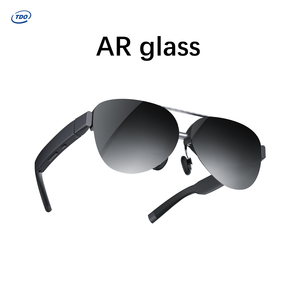
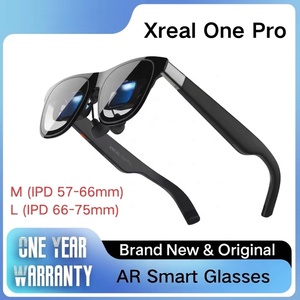
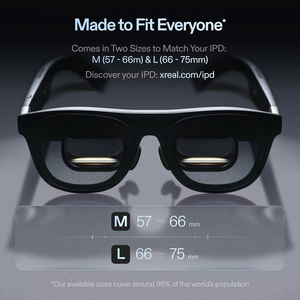
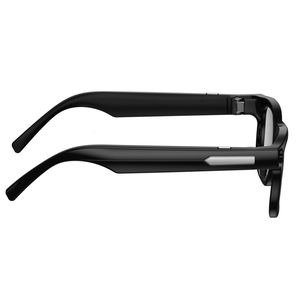
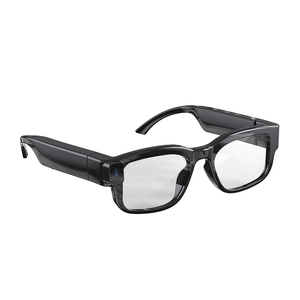
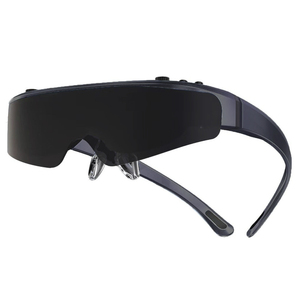
The boundaries between wristwear, smart audio earbuds, and AR smart glasses are blurring. Modern OEM factories must offer multi-device ecosystems synchronized through a unified mobile SDK, supporting AI real-time translation, voice recognition, and spatial camera recording.
Operating from Shenzhen, Guangdong—the world’s epicenter of smart hardware—we deliver end-to-end custom OEM/ODM manufacturing engineered for global compliance.
Founded in 2020 and backed by continuous international B2B export operations, ZUMU Technology Co., Ltd. specializes in turning brand vision into market-ready physical hardware. Our facility integrates industrial design, tooling development, PCBA surface mount technology (SMT), automated waterproof testing, and custom retail packaging under one verified roof.
Whether you require low-MOQ sample runs for market testing or mass 3,000+ unit OEM brand deployments, our engineering team manages every tolerance parameter to ensure consistent quality across production batches.
100% IQC inspection of displays, touch panels, lithium-ion battery cells, and housing shells.
Automated Optical Inspection (AOI) verification of PCBA solder joint integrity and sensor positioning.
Pneumatic pressure tank testing to confirm housing seal before internal module installation.
Thermal cycling, full sensor burn-in, continuous Bluetooth transmission, and battery discharge calibration.
Vibration tests, salt-spray corrosion checks, drop tests, and retail carton drop validation.
Critical answers for B2B buyers, procurement managers, and electronic product managers regarding order MOQ, technical customization, and export logistics.
MOQ varies based on the level of customization. Ready-stock smart rings and standard smartwatches start at 1 piece for evaluation sampling. Trial orders for semi-custom products (laser engraving, custom startup screens) start at 50 to 500 pieces. Deep OEM orders involving custom injection tooling, proprietary firmware, and branded retail packaging typically require 3,000 pieces per model.
We do not rely on random sampling for waterproofing. Every single smartwatch casing undergoes pneumatic atmospheric pressure tank testing prior to PCBA assembly. Additionally, representative samples from every production batch undergo 5ATM hydrostatic water chamber submergence tests, salt-spray corrosion tests, and thermal shock testing (-20°C to 60°C) to ensure zero seal degradation over prolonged usage.
Yes. Every export order is accompanied by a formal Declaration of Conformity. Depending on destination requirements in North America, Europe, or the Middle East, we provide complete test documentation including CE-RED, RoHS 2.0, FCC certification reports, MSDS material safety data sheets, and UN38.3 lithium battery transport safety certificates for air and ocean freight.
Our in-house software engineering team supports total end-to-end customization. This includes custom boot logos, pre-loaded watch face libraries, customized health algorithm thresholds, custom Bluetooth pairing names, multi-language localization (supporting 30+ languages), and white-label iOS/Android mobile application development branded under your company's name.
Evaluation sample units ship within 1 to 3 working days. Custom prototype samples with initial logo laser printing require approximately 7 to 10 working days. Following final sample sign-off and deposit receipt, standard mass production lead time ranges from 25 to 35 calendar days depending on component component lead times and batch volume.
We provide a comprehensive 12-month quality guarantee on all manufacturing defects. Due to global logistics costs, our standard contract terms include either a 1% spare units allowance shipped with mass orders or replacement of verified defective PCBAs/modules in your subsequent shipment batch, backed by traceable technical failure analysis reports from our engineering QA team.
Speak directly with our Shenzhen engineering and export sales specialists. Receive custom hardware quotes, technical datasheets, and sample evaluation packages within 24 hours.
Contact Us