Direct Factory Supply · ISO-Compliant QA · Low MOQ Sampling · Complete White-Label Customization
An Engineering and Procurement Guide for Global B2B Buyers, Importers, and Retail Brands
The global wearable technology ecosystem is undergoing a fundamental structural transition. Driven by advances in multi-sensor miniaturization, low-power system-on-chip (SoC) architectures, edge AI integration, and micro-optical systems, smart wearables have evolved beyond primitive fitness trackers into high-precision biometric monitors and real-time spatial computing devices. As the primary center for electronic engineering and hardware integration, Shenzhen and the wider Guangdong region in China manufacture over 85% of the world's consumer smart wearable hardware.
For international buyers—including consumer electronics distributors, telecom operators, private-label brands, and healthcare tech vendors—identifying a competent China Smart Wearable Device Manufacturer & Supplier requires evaluating technical capabilities beyond basic surface assembly. This technical report details the critical engineering benchmarks, manufacturing methodologies, supply chain integrations, and quality assurance protocols that distinguish world-class OEM/ODM factories in China.
Modern wearable devices—ranging from sub-5-gram health rings to 8MP AI camera eyewear and 5ATM waterproof smartwatches—depend on advanced PCB layout density and thermal efficiency. Leading manufacturers employ system-in-package (SiP) technology, high-density interconnect (HDI) rigid-flex printed circuit boards, and micro-encapsulation techniques. Key core components include:
Utilizing BLE 5.3/5.4 Nordic nRF5340, Ambiq Micro Apollo, or Realtek chipsets to maintain continuous PPG heart-rate sensing, SpO2 monitoring, and Bluetooth calling with micro-ampere standby draw.
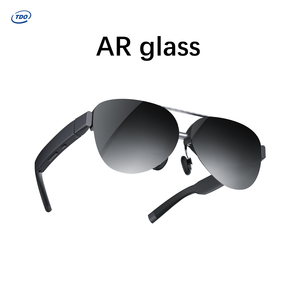
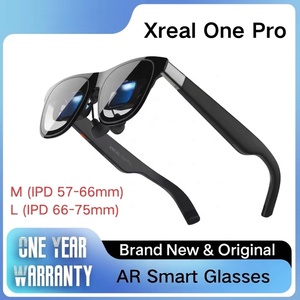
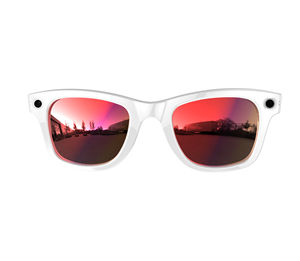
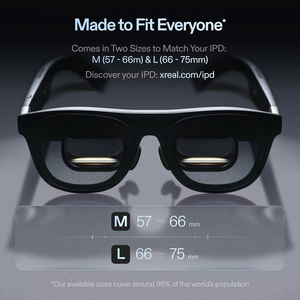
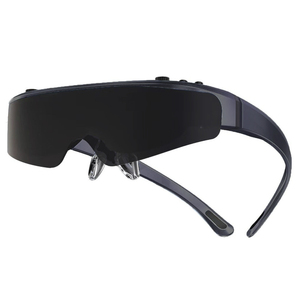
Binocular Micro-OLED displays with Birdbath or Optical Waveguide geometry, yielding up to 1200 nits brightness, combined with 8MP Sony IMX sensors with hardware Electronic Image Stabilization (EIS).
Integration of dual-green/red optical PPG sensors for precise pulse-wave measurement, temperature sensors, and 6-axis MEMS accelerometers for algorithm-driven sleep-stage grading.
Comparative technical specifications for procurement evaluation and OEM customization parameters.
| Product Category | Primary Chipset / Optics | Waterproof / Ingress Standard | Battery Capacity & Life | Key OEM Customization Parameters |
|---|---|---|---|---|
| Smart Health Rings (Ceramic / 316L Steel) | Nordic BLE 5.3 + Dual PPG + Temp Sensor | 5ATM (50m ISO 22810) | 18-25 mAh (5-7 Days operation) | Laser engraving, ring sizing (7-13#), custom charging case, SDK/API app pairing. |
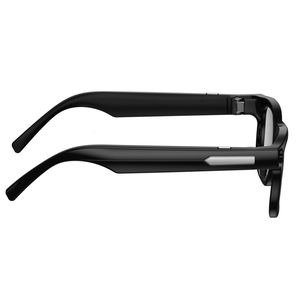
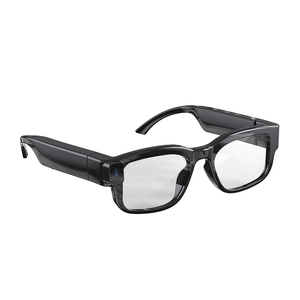
| AI Smart Glasses & AR Eyewear | Qualcomm Snapdragon / X1 Chip + 8MP EIS Camera + Micro-OLED | IPX4 / IP54 Water Resistant | 180 - 450 mAh (Continuous audio / video capture) | Frame materials (TR90/Titanium), prescription lens inserts, localized AI translation engine integration. |
| AI Camera & Translation Earbuds | Dual-Mic ENC Noise Reduction + Low-Latency Bluetooth | IPX5 / IPX6 Sweatproof | 40 mAh per earbud / 400 mAh Case | Custom audio tuning (EQ), localized voice command firmware, custom charging box tooling. |
| AMOLED & Screenless Smartwatches | Realtek / Jerry SoC + 1.27"-1.43" HD Display | IP68 Sealed Chassis | 230 - 400 mAh (7-14 Days standby) | UI watch face artwork, strap material (Silicone/Steel/Leather), custom retail box design. |
Key technological shifts driving global end-user demand and OEM sourcing priorities.
Future wearable devices are moving away from passive cloud data syncing. Next-generation smart glasses and camera-equipped earbuds process real-time visual recognition and instant spoken translation directly on the edge. Importers must prioritize suppliers capable of offering modular firmware upgrades, localized AI language models, and compliant encryption standards.
The industry is experiencing a surge in demand for screenless wearables, such as smart health rings and minimalist fitness bands. By eliminating screen-related RMA risks (broken glass, touch controller failure), screenless form factors achieve longer battery endurance and superior waterproofing, making them ideal for high-volume promotional and retail programs.
Material science is critical in user retention. Zirconia micro-crystal ceramics and surgical-grade 316L stainless steel are replacing standard ABS plastics in smart rings and luxury watches. Suppliers with in-house CNC machining, PVD vacuum plating, and resin-filling facilities provide a significant cost advantage for premium brand positioning.
Regulatory frameworks in North America and the EU (CE RED, FCC, RoHS, REACH, UN38.3, MSDS) demand full supply-chain transparency. B2B buyers must partner with manufacturers that maintain batch-level test records and offer complete compliance documentation to prevent customs delays.
Verified On-Site Wearables Factory in Shenzhen, Guangdong, China
Established in 2020 in Shenzhen, Guangdong, ZUMU Technology Co., Ltd. operates as a verified smart wearable manufacturer and exporter. With 6 years of international B2B export experience, we specialize in high-growth wearable categories: smart health rings, AI camera glasses, AI translation earbuds, screenless bracelets, and custom smartwatches.
Our facility located in Xinqiao Street, Bao'an District, Shenzhen, integrates engineering definition, tooling prototyping, surface-mount technology (SMT) oversight, and final dust-free assembly under strict ISO-standard quality controls. We serve global buyers across North America, Western Europe, Eastern Europe, Southern Europe, and the Middle East.
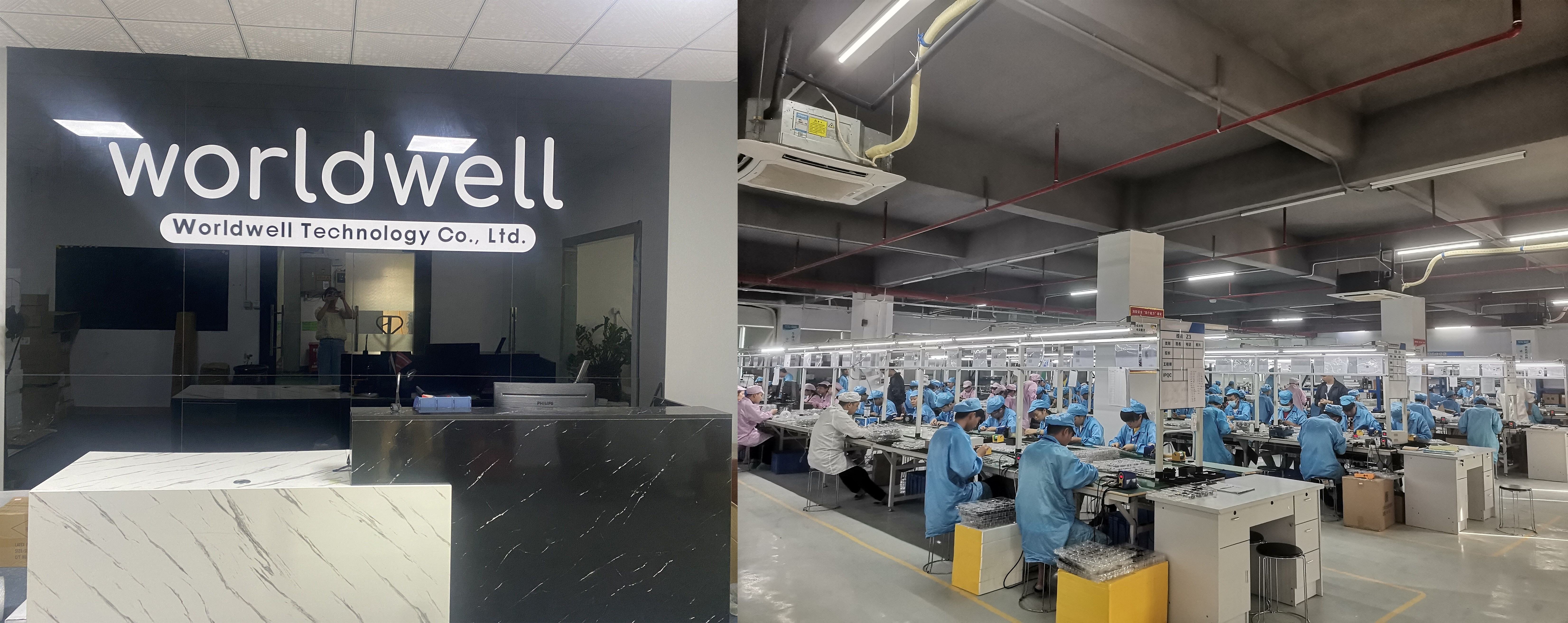
Legal premises and operational status independently audited and verified on-site, ensuring zero operational risk for international procurement.
Every production batch undergoes high-pressure hydraulic tank immersion, dust-chamber sealing, spray testing, and 48-hour burn-in aging prior to release.
Full support for buyer-label branding: laser-engraved logos, localized UI & firmware customization, dedicated smartphone app branding, and retail box artwork.
Flexible order tiers starting from 1 unit for sample evaluation on ready-stock models, 50 units for trial orders, and 3,000 units for fully customized production.
We provide full Declarations of Conformity, commercial packing lists, HS-code classification guidance, and battery safety documentation (MSDS/UN38.3).
Single-point-of-contact account management paired with hardware engineers to deliver technical feedback within one business day.
Five milestones from initial requirement brief to containerized freight shipping.
Define product specs, target market certifications, preferred chipsets, battery life targets, and budget constraints.
Our hardware engineers review mechanical drawings, PCB layouts, antenna clearance, and mold options for cost optimization.
Creation of functional prototype with customized firmware, laser branding, and sample box packaging for buyer sign-off.
Small pilot run validates assembly yield and automated optical inspection (AOI) before launching full SMT mass production.
Complete hydraulic, aging, and drop tests. Official release of QC reports, packing list, compliance certs, and shipping.
Addressing key technical, logistical, and commercial inquiries from international buyers.
MOQ requirements depend on the model and degree of customisation. For ready-stock models (such as selected smart rings or AI camera glasses), sampling starts at 1 piece. For custom logo laser engraving and small trial runs, MOQ starts at 50 pieces. Fully customized private-label builds involving specialized packaging, custom color injection, and custom watch faces/apps typically require 3,000 pieces per model.
Waterproof testing is conducted on 100% of finished smart rings and watches using automated high-pressure hydraulic testing chambers. Smart health rings are rated at 5ATM (50 meters equivalent pressure according to ISO 22810 standards), allowing for swimming and showering. Smartwatches rated at IP68 are subjected to continuous immersion and dust-sealing validation. A detailed QC test report accompanies each shipment batch.
Yes. We offer complete software localization options. We can provide standard companion apps customized with your brand logo, color schemes, and product names. For enterprise client projects with proprietary platforms, we provide SDKs and API documentation to enable direct Bluetooth data communication with your internal iOS and Android applications.
We supply a complete export documentation package required for global customs clearance and market compliance, including the official Declaration of Conformity, CE RED, FCC, RoHS, and REACH test reports. For battery logistics, we provide UN38.3 and MSDS safety certificates, enabling seamless air freight and ocean shipment compliance.
Ready-stock samples are dispatched within 2 to 4 working days. Custom-branded sample orders require approximately 7 to 10 working days for logo setup and firmware flashing. Full-scale OEM mass production generally takes 25 to 35 calendar days, depending on component availability and custom packaging approval.
Screenless wearables eliminate display panels—the single highest cost center and primary cause of field returns (RMA) due to broken glass or touch controller failure. By utilizing high-efficiency PPG sensors encased in seamless IP68 polymer or metallic housings, screenless trackers offer up to 30 days of battery life per charge, lower unit BOM costs, and superior long-term reliability.
We provide a standard 12-month factory warranty on all wearable hardware. Every shipment undergoes rigorous aging tests to maintain defect rates well below 0.3%. In the rare event of a functional defect, replacement units or spare parts are included in your subsequent order, or issued immediately following remote technical verification by our engineering team.
Partner with a verified China manufacturer. Request instant factory direct pricing, detailed technical specifications, or order evaluation samples today.